
FAQ
Expert Nutrition Advice for Men's Health & Wellness

How can I improve my energy levels?
Boosting energy naturally starts with proper nutrition and meal timing. Consuming balanced meals with lean proteins, whole grains, and healthy fats helps stabilize blood sugar and prevents energy crashes. Regular physical activity, adequate sleep, and staying hydrated are equally important. Avoid processed foods and excessive caffeine, which can lead to energy fluctuations. Consider adding nutrient-dense foods like nuts, seeds, and leafy greens to your daily diet for sustained vitality.
Why is proper nutrition crucial for men's health?
Men's health depends significantly on nutrition, which supports muscle development, cardiovascular function, and hormonal balance. A well-rounded diet rich in vitamins and minerals strengthens the immune system and improves mental clarity. Proper nutrition reduces the risk of chronic diseases like heart disease, diabetes, and obesity. It enhances athletic performance, recovery after exercise, and overall longevity. Investing in quality nutrition today prevents serious health issues tomorrow.
What are the most important nutrients for male wellness?
Essential nutrients for men include protein for muscle maintenance, zinc for testosterone production, and magnesium for bone health. Omega-3 fatty acids support heart and brain function, while B vitamins boost energy metabolism. Vitamin D is crucial for hormone regulation and immune strength. Selenium and antioxidants protect against cellular damage. Iron maintains oxygen transport in blood. A diverse diet covering these nutrients ensures comprehensive health support and optimal physical performance.
How should men structure their daily meal plans?
Effective meal planning includes breakfast with protein and whole grains to start your day strong, lunch with lean meats and vegetables for sustained energy, and dinner with balanced macronutrients eaten earlier in the evening. Include healthy snacks like nuts or Greek yogurt between meals. Stay consistent with meal times to regulate metabolism. Drink plenty of water throughout the day and limit sugary beverages. Plan meals ahead to ensure nutritional variety and avoid impulsive unhealthy choices.
What is the role of hydration in men's fitness?
Water is vital for every bodily function, from muscle performance to mental focus. Proper hydration improves workout efficiency, reduces fatigue, and speeds recovery after exercise. It aids digestion, regulates body temperature, and supports kidney function. Men should drink at least eight glasses daily, adjusting for activity level and climate. Dehydration decreases strength and endurance while increasing injury risk. Monitor urine color as an indicator and develop consistent drinking habits throughout the day.
How does nutrition affect men's hormonal balance?
Balanced nutrition directly influences testosterone, cortisol, and other hormones critical for men's health. Foods rich in zinc, selenium, and vitamin D support healthy testosterone levels. Adequate protein intake is essential for hormone production and muscle development. Limiting sugar and processed foods prevents cortisol spikes that disrupt hormonal equilibrium. Healthy fats from avocados and fish provide building blocks for hormone synthesis. Consistent nutrition supports stable energy, mood, and physical performance.
Common Questions About Men's Nutrition and Wellness

Should men take dietary supplements?
Supplements can fill nutritional gaps when whole foods don't provide adequate nutrients. Quality multivitamins, vitamin D, omega-3s, and magnesium are popular choices for men. However, focus on whole foods first, as they provide nutrients in optimal combinations with fiber and phytonutrients. Consult a healthcare provider before starting supplements to avoid interactions with medications. Not all men need supplements—those eating varied, balanced diets may not require them.
What foods boost men's muscle development?
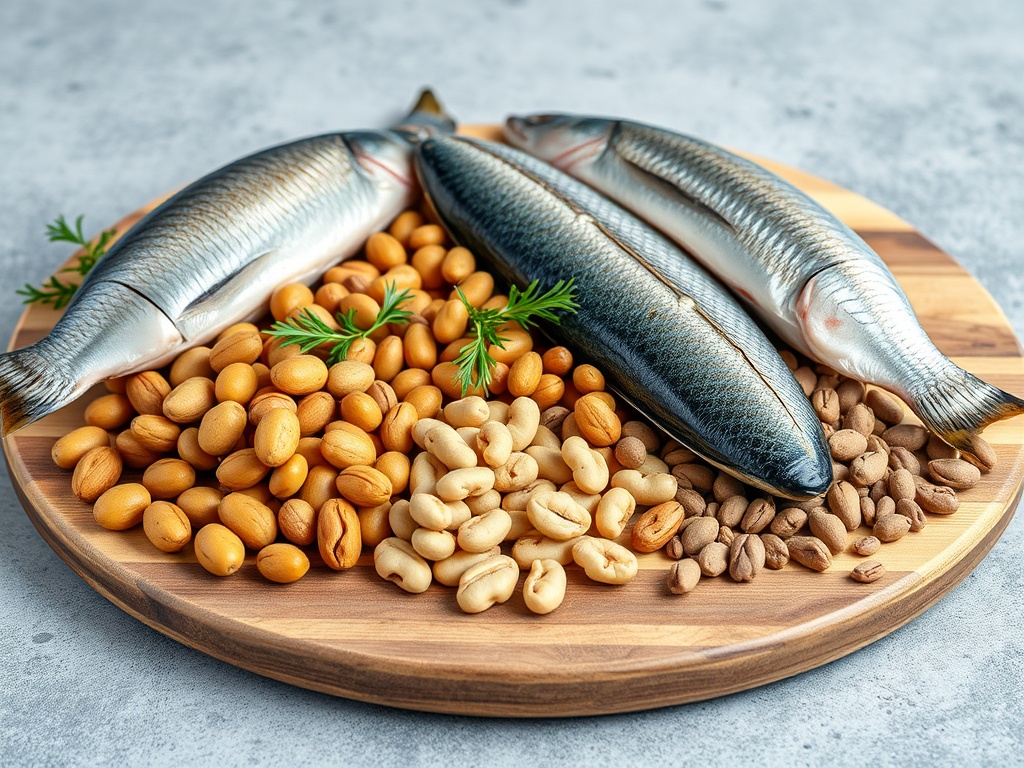
Muscle building requires adequate protein paired with resistance training. Excellent sources include chicken, turkey, fish, beef, eggs, and Greek yogurt. Legumes, tofu, and nuts provide plant-based protein alternatives. Pair protein with complex carbohydrates like brown rice and sweet potatoes for energy. Include vegetables for micronutrients that support muscle recovery. Healthy fats from olive oil and avocados aid hormone production. Time protein intake around workouts for maximum muscle synthesis.
How can men manage weight through better nutrition?
Sustainable weight management starts with understanding calorie balance and choosing nutrient-dense foods over empty calories. Increase fiber intake through vegetables, fruits, and whole grains to feel fuller longer. Lean proteins support satiety and preserve muscle during weight loss. Reduce sugary drinks and processed snacks that encourage overeating. Practice portion control and mindful eating. Regular exercise combined with proper nutrition creates lasting results without extreme restrictions or yo-yo dieting cycles.
What is the impact of diet on men's heart health?
Heart disease is a leading cause of death among men, making diet crucial for prevention. Foods rich in omega-3 fatty acids, fiber, and antioxidants protect cardiovascular function. Reduce sodium intake to manage blood pressure and limit saturated fats that increase cholesterol. Choose whole grains, lean proteins, and abundant vegetables. Limit alcohol consumption and avoid trans fats found in processed foods. Regular physical activity combined with heart-healthy eating significantly reduces cardiovascular disease risk.
How does nutrition affect men's mental clarity?
Brain health depends on omega-3 fatty acids, antioxidants, and B vitamins that support neurological function and mental clarity. Foods like fatty fish, berries, and leafy greens enhance focus and concentration. Stable blood sugar from balanced meals prevents mental fog and mood swings. Proper hydration improves cognitive performance. Avoid excessive sugar and processed foods that impair brain function. Quality sleep paired with good nutrition maximizes mental performance for work and daily activities.
What nutrition strategies support athletic performance?
Athletic men need adequate calories, protein, and carbohydrates timed strategically around workouts. Pre-workout meals with carbs and moderate protein provide energy and muscle support. Post-workout nutrition with protein and carbs aids recovery and muscle growth. Electrolytes and hydration prevent cramping and fatigue. Include anti-inflammatory foods like berries and omega-3s to speed recovery. Individual needs vary by sport and training intensity, so personalized nutrition planning optimizes performance.

Get a personalized nutrition assessment
Expert guidance tailored to your health goals